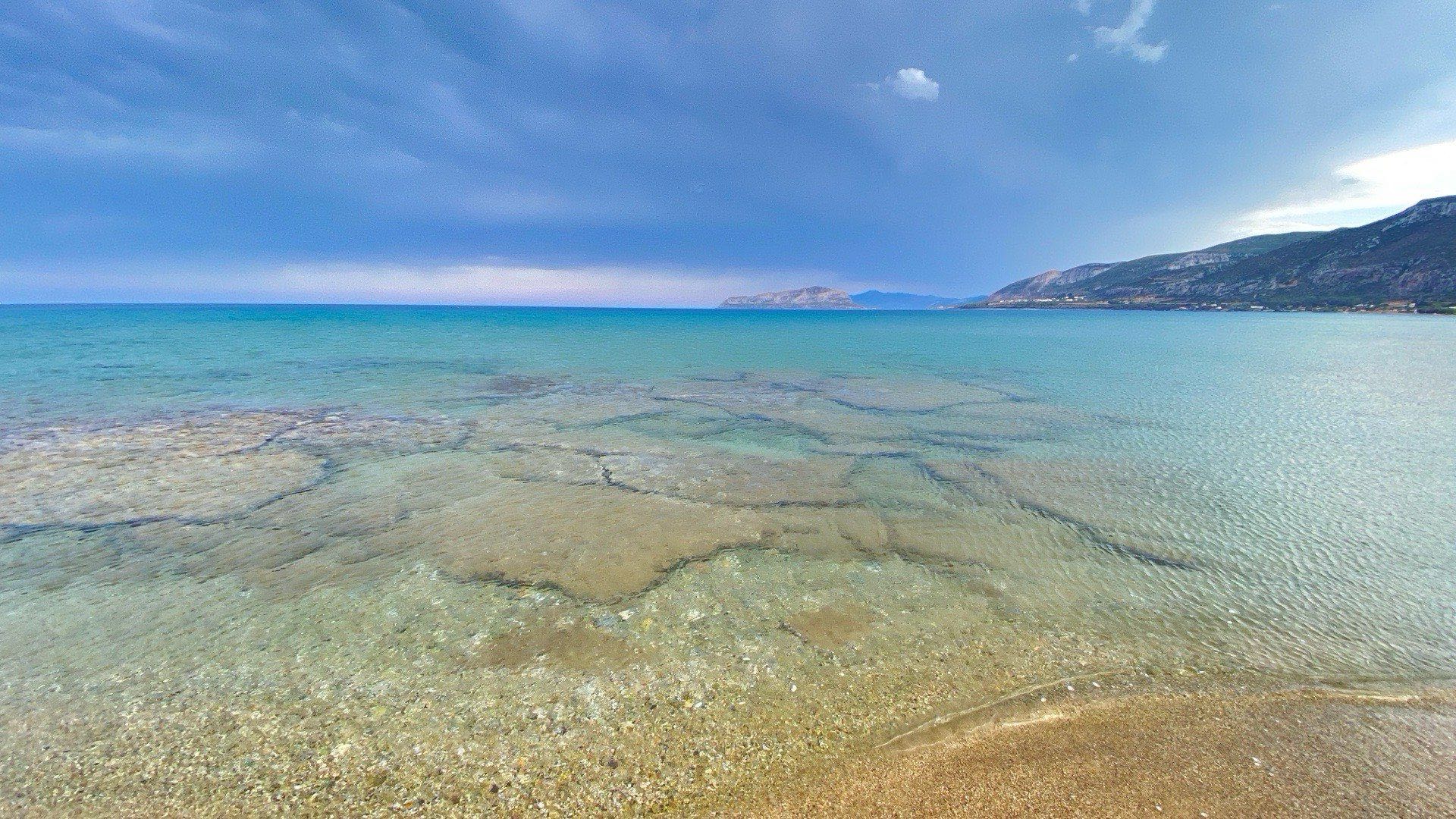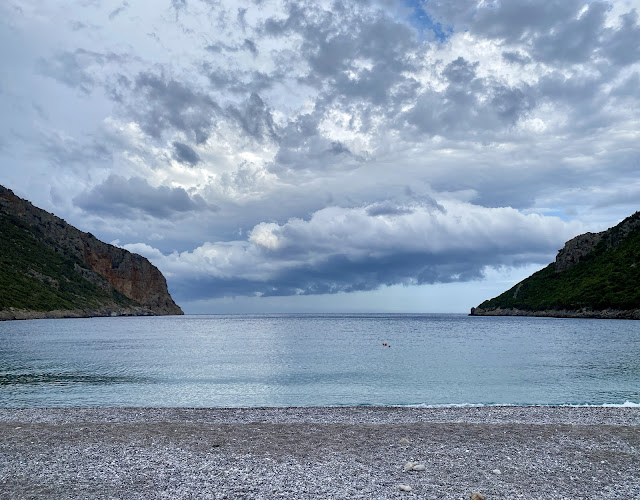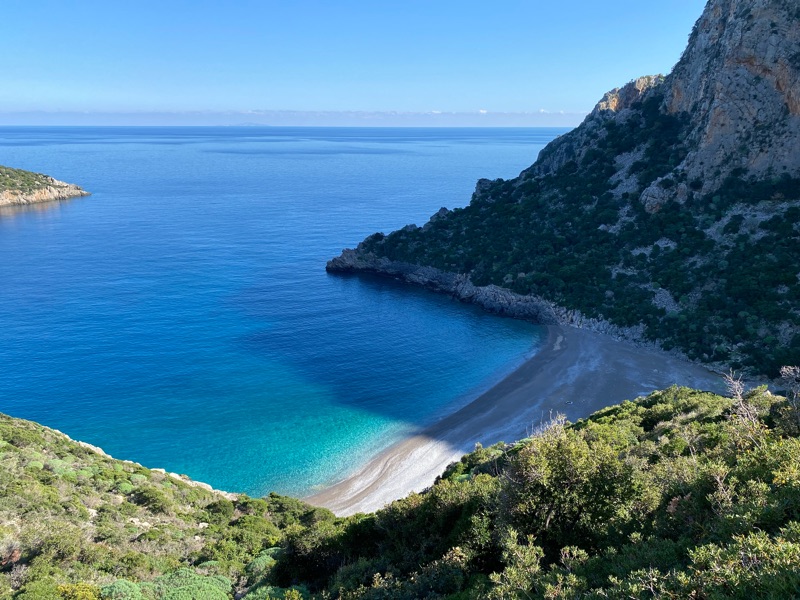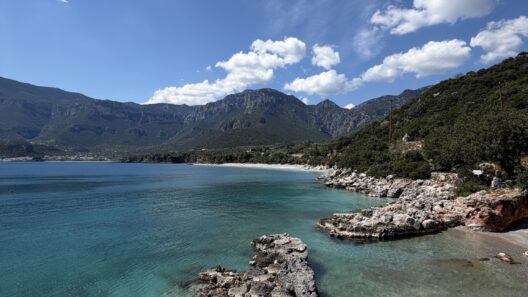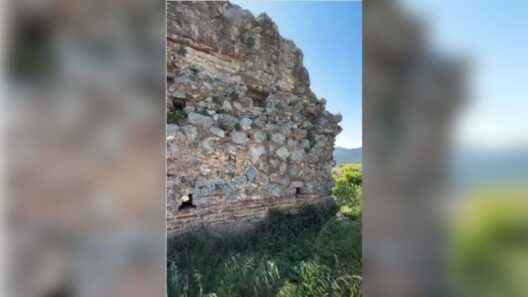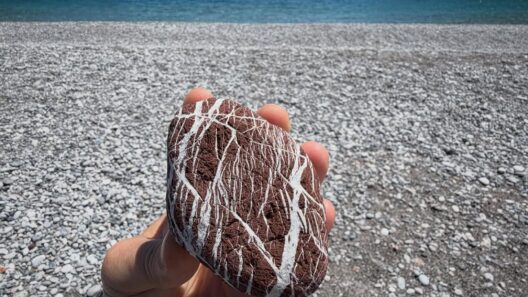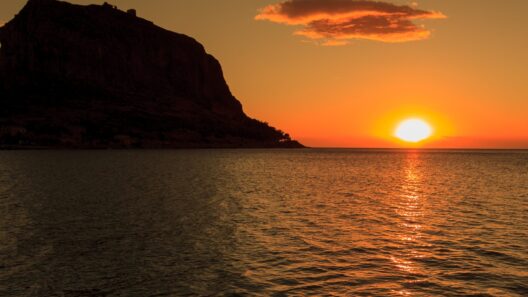


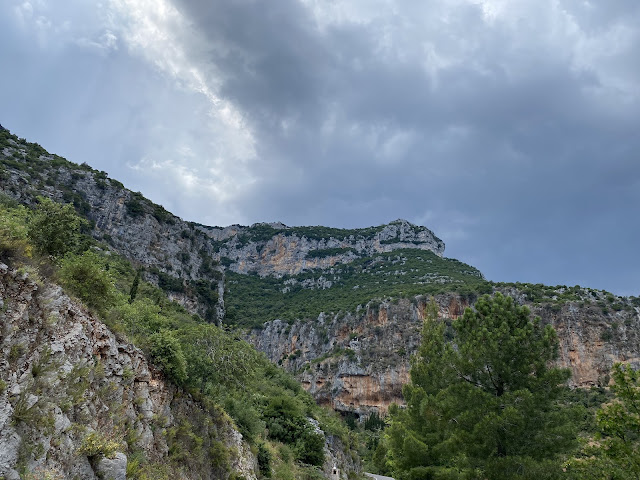
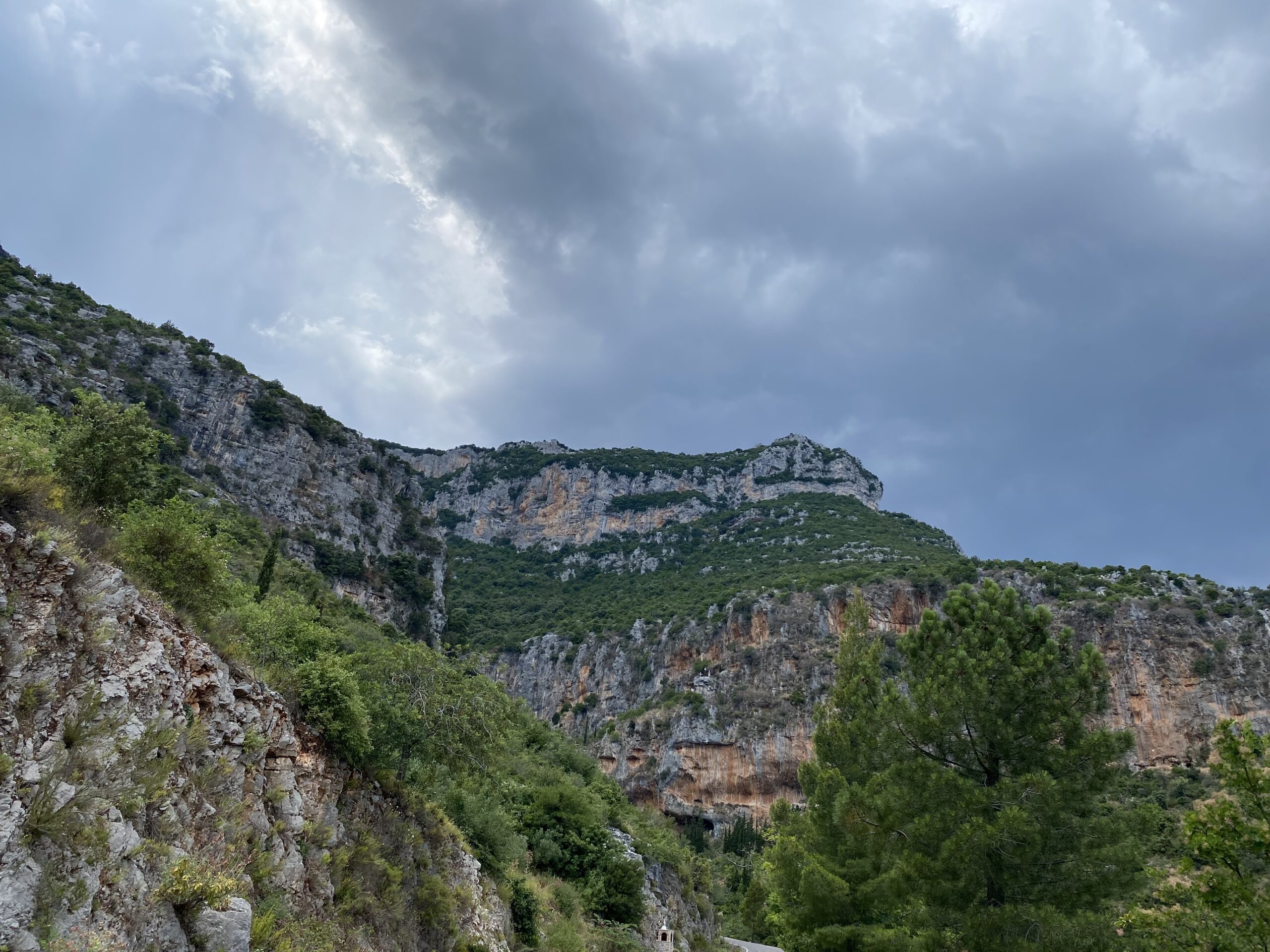
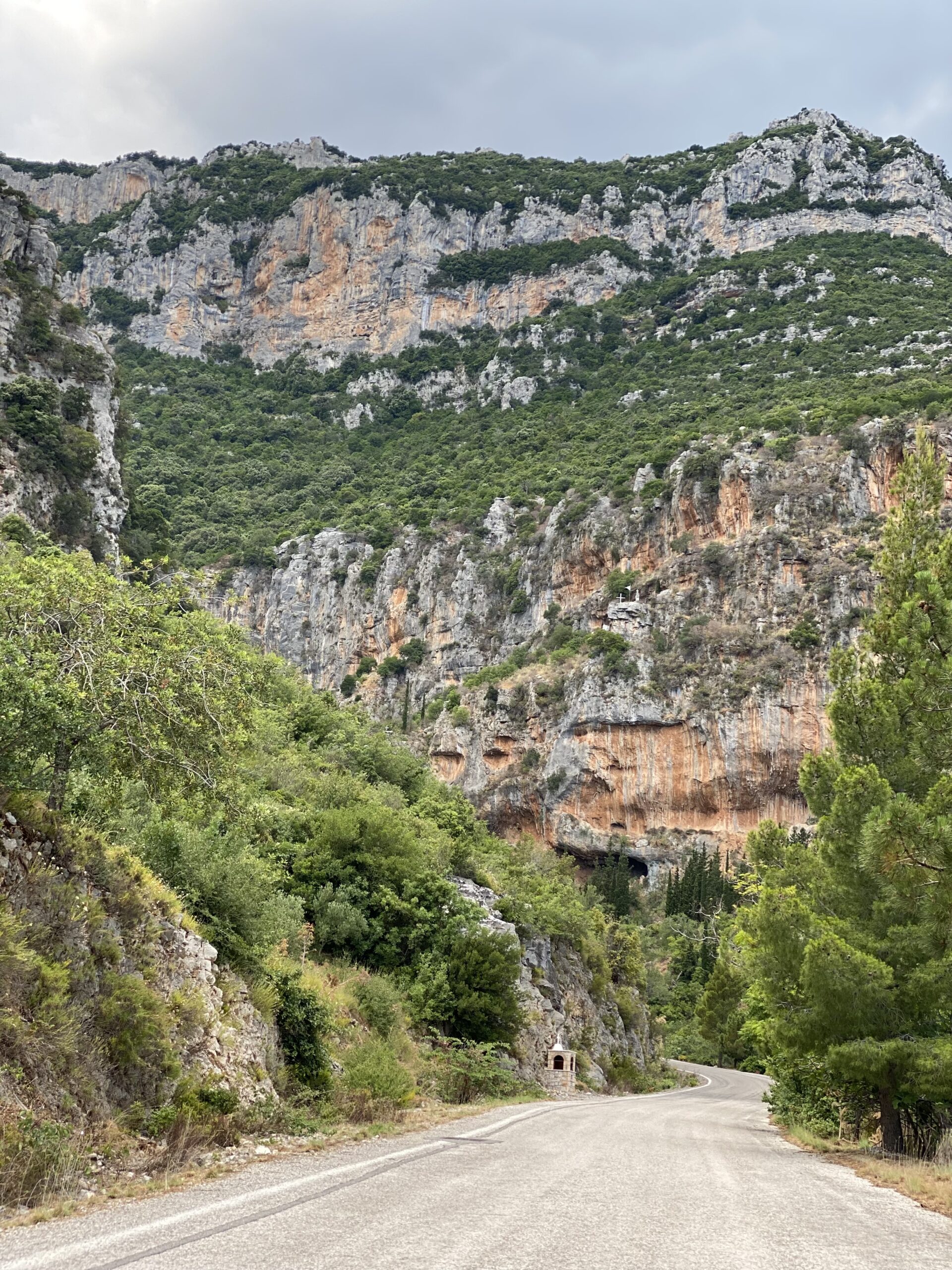
Kyparissi, a picturesque settlement on the northeastern coast of Laconia, is known for its isolation and distinctive natural beauty. The village’s history dates back to antiquity, when the area was part of greater Laconia, influenced by Sparta and other civilizations of the Peloponnese.
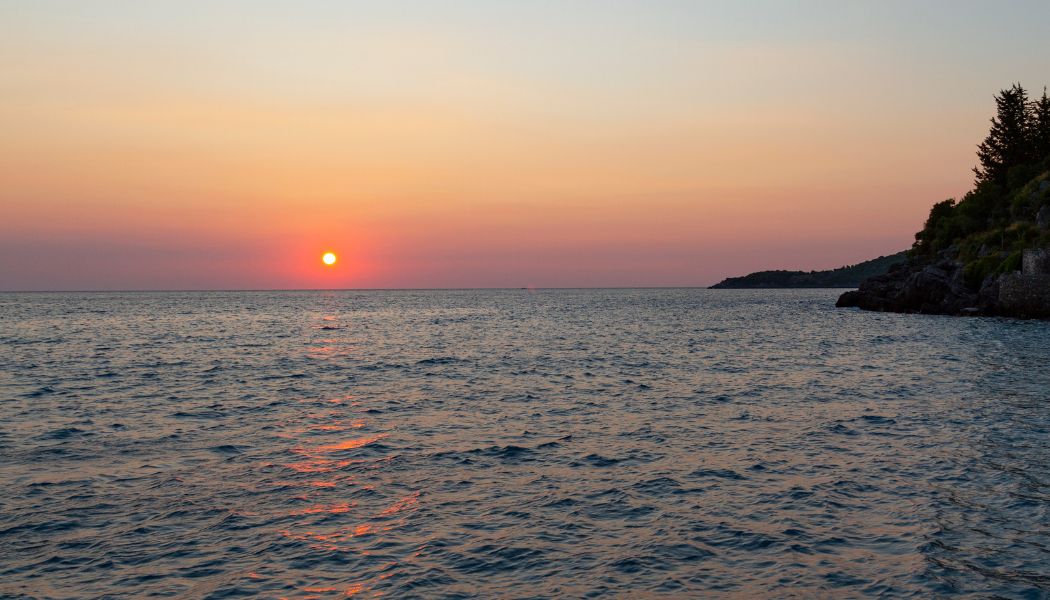
Until the 20th century, Kyparissi remained isolated from the main urban centers of the region, maintaining a way of life based on agriculture and fishing.
Three Settlements, One Destination
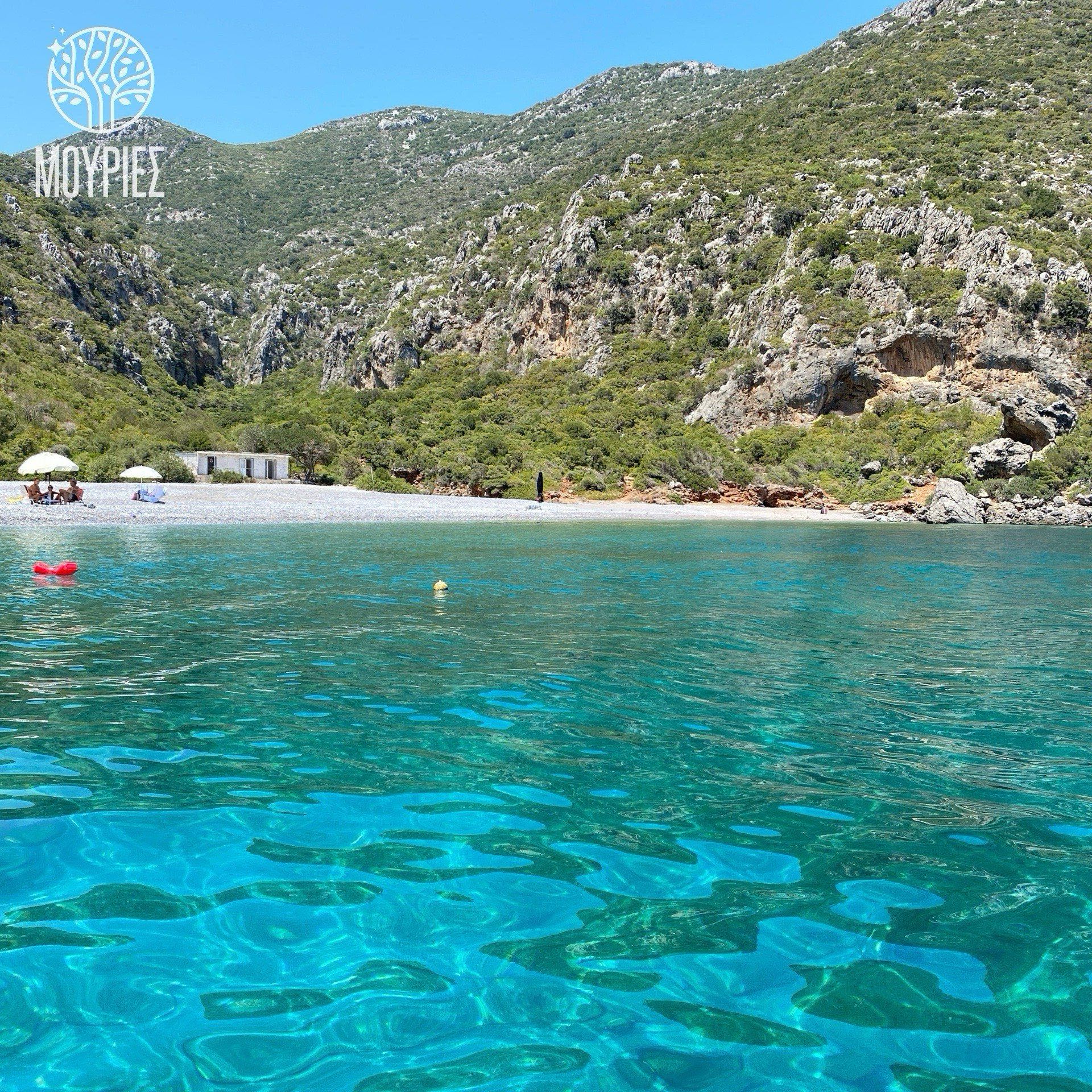
Modern Kyparissi includes distinct parts of the same community. Vrissi lies higher on the mountainside, while Paralia and Metropolis extend closer to the coast. Together they create the unusual experience of moving from a green mountain setting to the Myrtoan Sea within a short distance.
Life Between Mountain and Sea
The village’s relative isolation shaped its development. Agriculture, olive trees, fishing, and family networks remained important, while the difficult terrain limited the rapid expansion seen in more accessible destinations. Today that geography is part of Kyparissi’s attraction. Travelers arrive for clear water, walking routes, climbing, and a settlement that still feels connected to its natural surroundings.
Historical names and local traditions should be treated carefully, since surviving evidence is not equally complete for every period. What can be seen with certainty is the enduring relationship between the community, the slopes of Mount Parnon, and the protected coastline below.