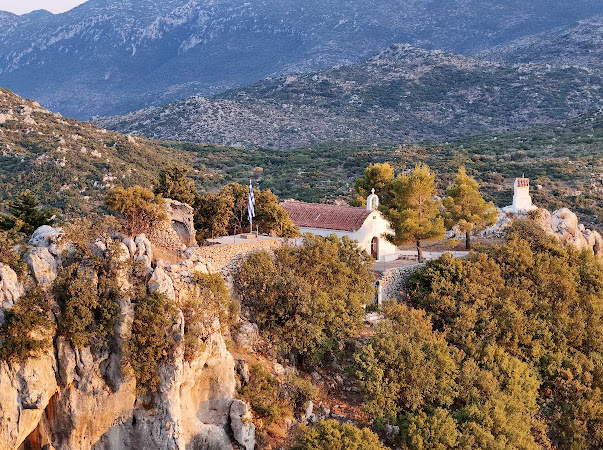


Above the quiet natural harbor of Gerakas in eastern Laconia, ancient walls rise from the landscape as if they were shaped from the mountain itself. This is Zarax—also known as Zaraka—a fortified city whose surviving stones still command the entrance to one of the most remarkable inlets in the Peloponnese.
At first, the ruins may appear silent. Yet the longer one stands among them, the clearer their story becomes. Every section of masonry speaks of planning, endurance, and the determination of a community that understood the importance of this protected harbor.
A City Built Around a Natural Advantage
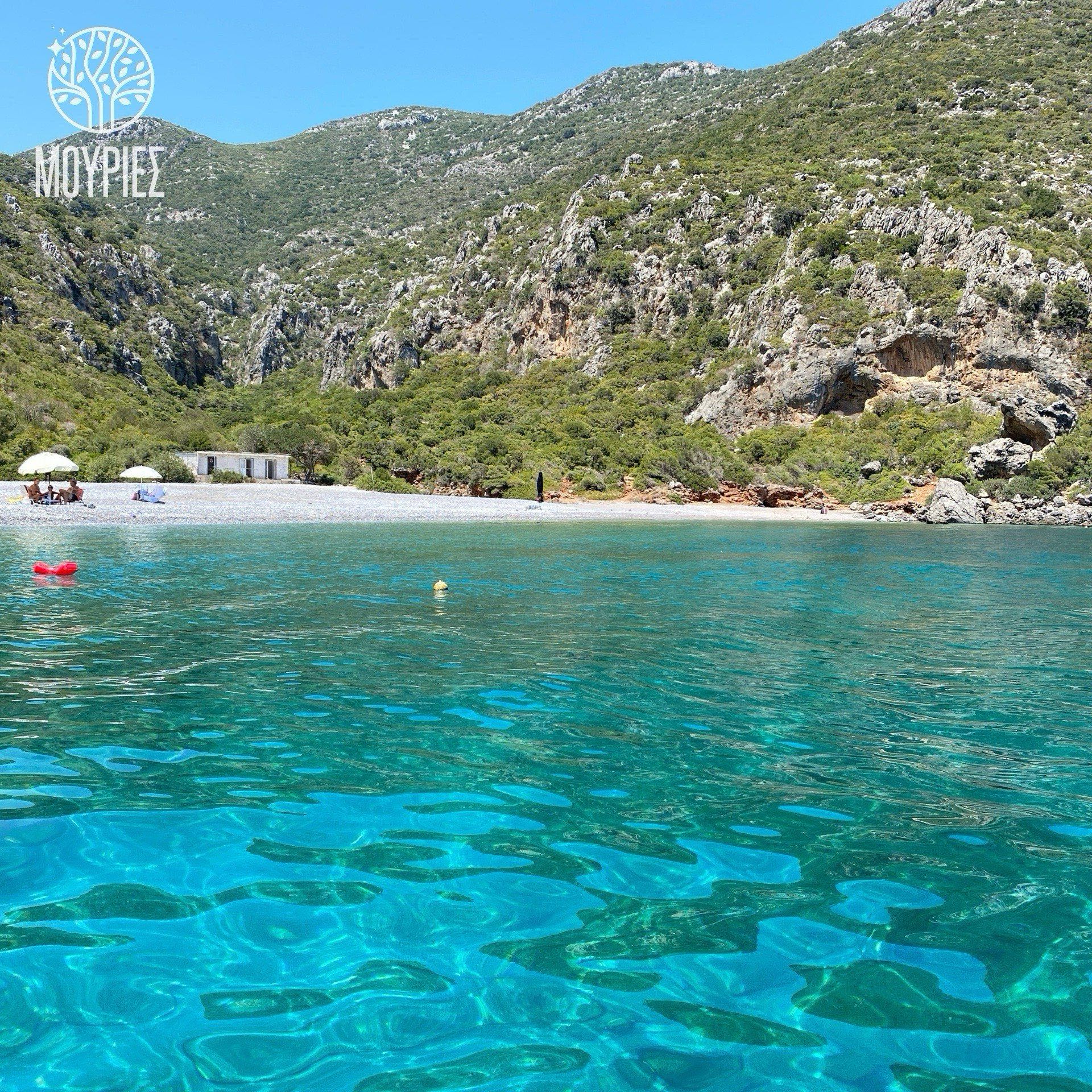
Gerakas is not an ordinary coastal settlement. Its long, narrow bay reaches deep into the land, forming a naturally sheltered harbor protected from the open sea. Long before modern roads connected the villages of southeastern Laconia, the water offered movement, trade, communication, and security.
The position of Zarax above this harbor was therefore no accident. From the elevated ground, its inhabitants could observe the bay, control access from the sea, and defend the community. The fortifications were more than a barrier. They announced that this was an organized city with strategic importance and a clear relationship with the maritime world.
Between Tradition and Archaeology
Local tradition and the account associated with the ancient traveler Pausanias connect the city’s foundation with the distant period between 1300 and 1200 BC and with the legendary figure Zarex. The fortifications visible today, however, are generally associated with later phases of the city, particularly the Classical and Hellenistic eras.
This difference is part of what makes Zarax fascinating. The site does not belong to a single moment. It carries layers of settlement, defense, destruction, rebuilding, worship, and memory. Ancient sources also refer to a sanctuary of Apollo, including an image of the god holding a lyre—a reminder that life here was not defined by military strength alone.
Zarax was eventually devastated during the struggles that shaped the ancient Peloponnese. Pausanias, visiting centuries later, described it as the most ruined of the Free Laconian towns. Even then, however, the city had not vanished from memory.
The Walls Were a Statement
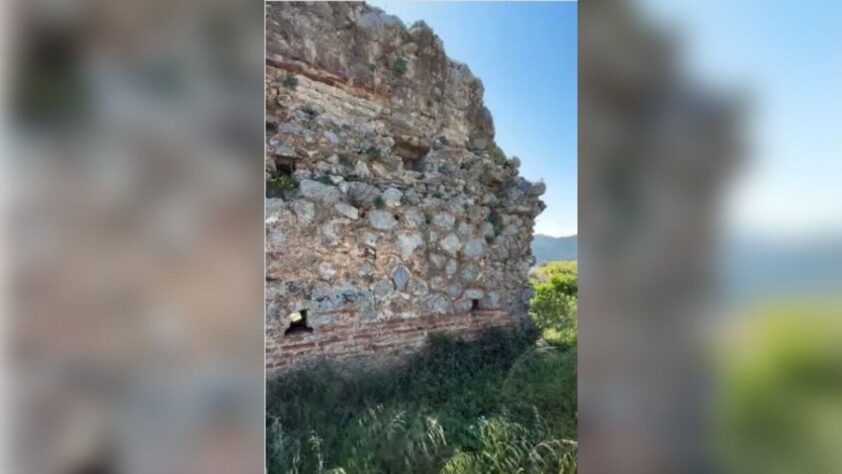
Standing beside the surviving masonry reveals something that photographs cannot fully communicate. The stones are heavy, irregular, and carefully joined. Their scale immediately changes the way a visitor understands the landscape.
These walls were built to resist attack, but they also projected confidence. They showed that Zarax possessed the labor, organization, and knowledge required to transform a rocky hill into a fortified coastal stronghold. The city did not merely occupy the land; it deliberately shaped it.
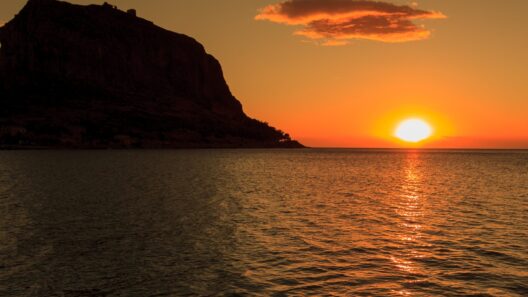
Nature and architecture still appear inseparable here. Wild grasses grow along the foundations, sunlight moves across the stone, and the mountains frame the remains. Below, the harbor continues to shelter fishing boats and small vessels, preserving the ancient relationship between the settlement and the sea.
Gerakas Today
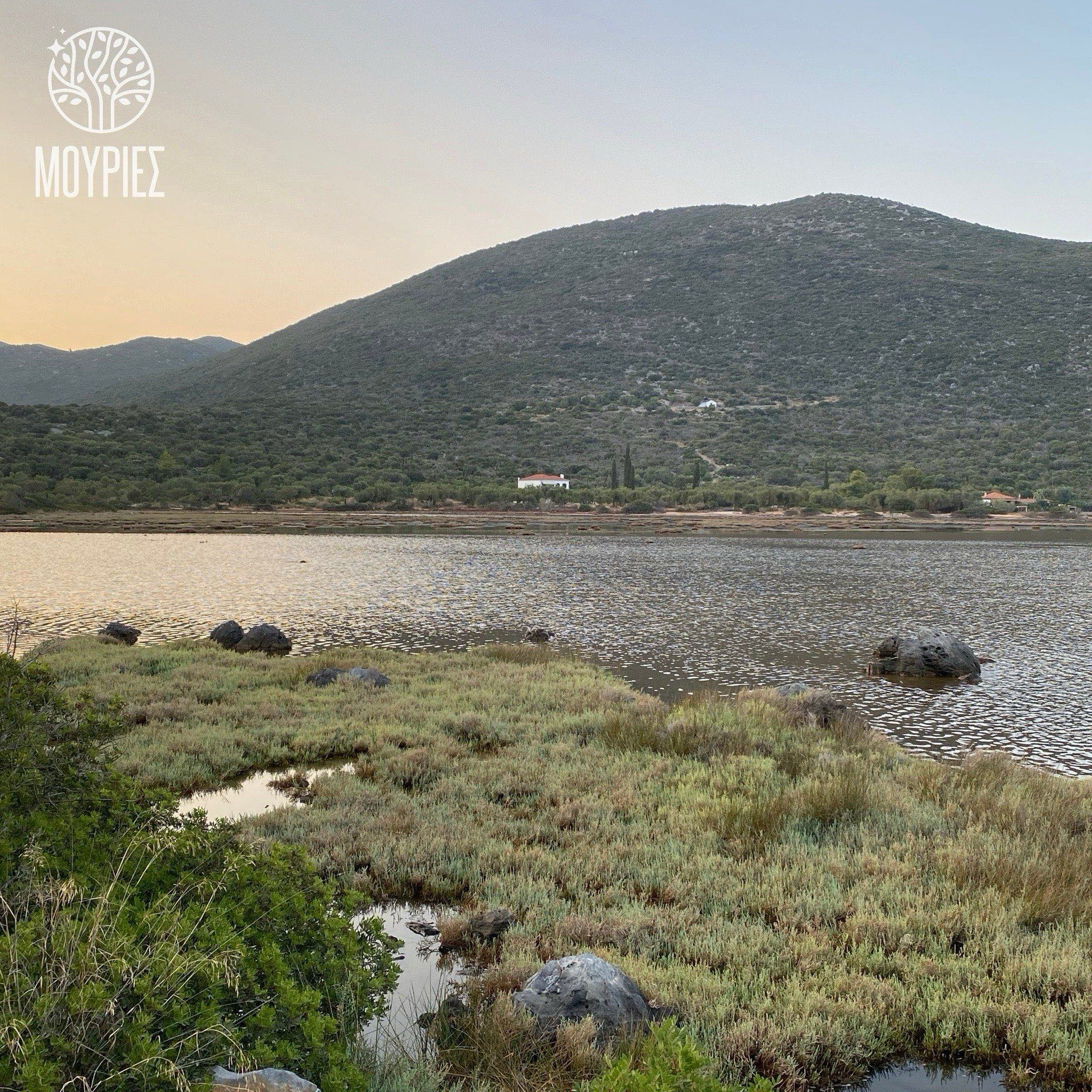
The modern village of Gerakas is peaceful, intimate, and visually unlike most places in Laconia. Whitewashed houses and waterside tavernas sit around the protected inlet, while the archaeological site remains above the village. Monemvasia is roughly 20 kilometers away, making Gerakas and ancient Zarax a rewarding addition to a journey through the region.
Visitors should approach the ruins with respect. This is not a staged attraction or a reconstructed fortress. The site is exposed to time, weather, and gradual deterioration. Its power comes from that authenticity, but so does its vulnerability. Stones should not be moved, walls should not be climbed, and nothing should be removed from the area.
A Presence That Never Left
The original MOURIES Reel describes the feeling of Zarax with a simple truth: the walls may have fallen and the city may be gone, but the presence never left.
That presence exists in the surviving fortifications, in the curve of the harbor, and in the view that once allowed residents to watch the sea. It also survives in the people who continue to photograph, study, visit, and speak about the site.
“This isn’t just where it all began—it’s where it still lives.”
Ancient Zarax does not need grand reconstruction to make an impression. Its broken walls are enough. They remind us that history is not always preserved in perfect monuments. Sometimes it remains in fragments—quiet, weathered, and powerful enough to make the past feel unexpectedly close.