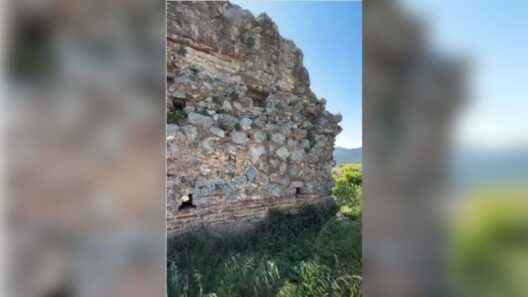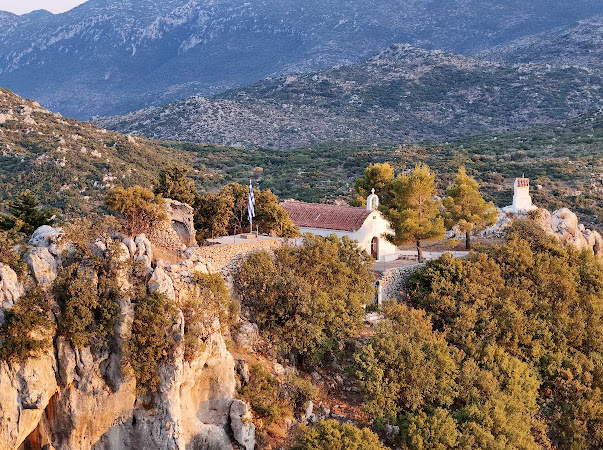


Zarakas, or the ancient city of Zarakas, was an important settlement in Laconia, near present-day Gerakas. The area played a decisive role in antiquity, particularly due to its strategic position and safe harbor.
Historical Origins and Significance
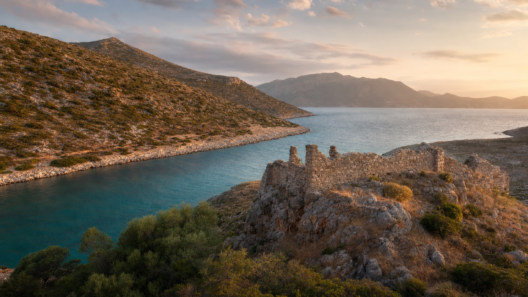
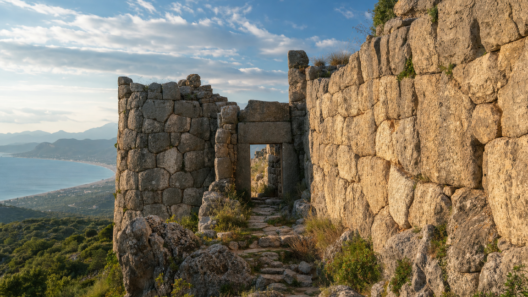
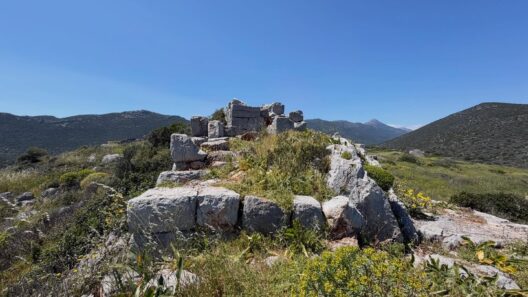
The city of Zarakas took its name from the Lacedaemonian hero Zarax, according to the sources. During the Greco-Roman years, the city flourished and was part of the League of Free Laconians, a union of free cities in Laconia. Zarakas was known for the walls of its acropolis, which were reinforced with towers, while remains of a three-aisled basilica and later Roman and Byzantine buildings were found on the acropolis site.
Mythological and Archaeological Significance

During the Middle Ages, Zarakas was destroyed several times, while in the Roman era it was rebuilt and upgraded by Emperor Augustus. Excavations in the area have revealed significant finds, such as the statue of Aphrodite, dating to the 2nd century BC and now on display at the Archaeological Museum of Athens.
Strategic and Political Significance
Zarakas was a battleground between the Spartans and other Greek city-states. After the Battle of Thyrea in 546 BC, it came under Spartan control, and later fell under Roman rule. During the Hellenistic and Roman periods, the city played an important role as a member of the Achaean League and the League of Free Laconians.
Conclusion
Zarakas was a city with a rich history that combines mythology, archaeology, and strategic significance in the wider region of Laconia. Its location and the significant finds discovered there demonstrate its importance as a strategic and cultural center during antiquity and Roman times.
Why the Harbor Mattered
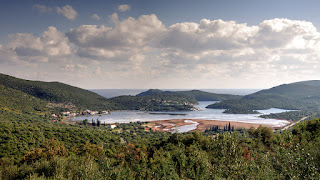
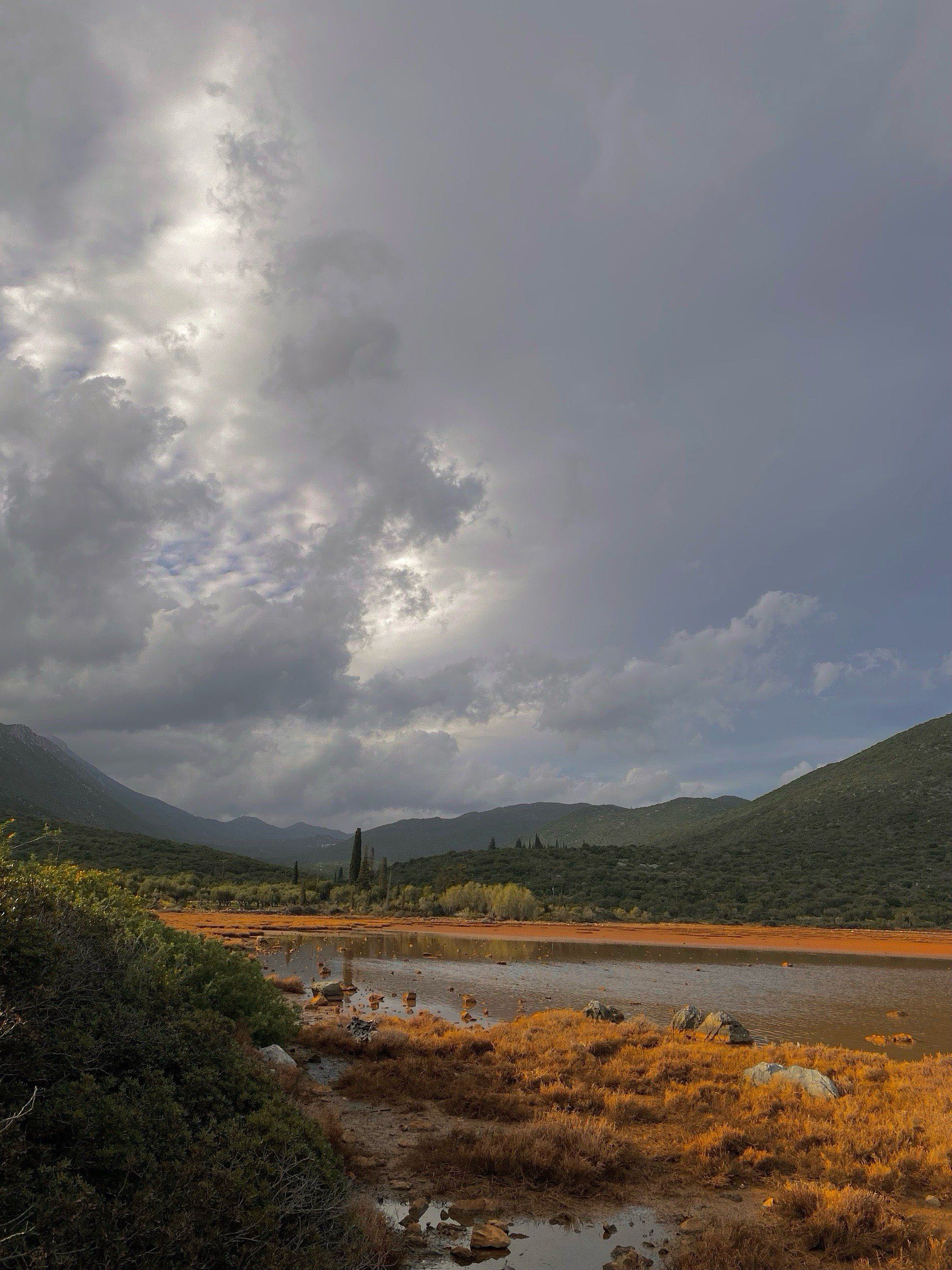
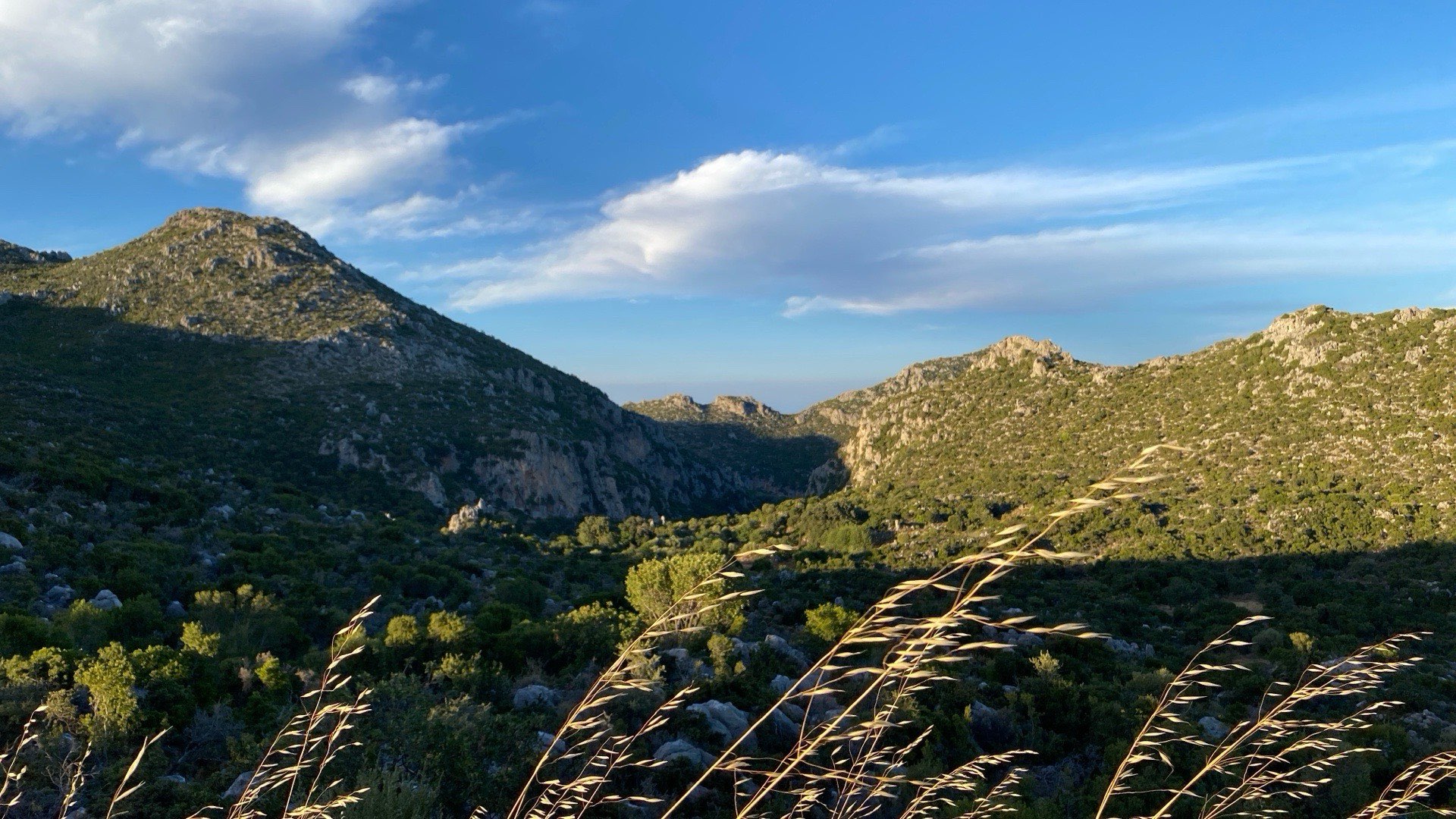
The geography of Gerakas explains much of ancient Zarax’s importance. Its narrow, protected inlet offered shelter from the open sea, while the surrounding heights provided strong defensive advantages. Agriculture supported the settlement on land, and maritime access connected it with movement along the eastern Peloponnesian coast.
The site changed through successive periods, so visitors encounter evidence that cannot always be assigned to one moment without archaeological study. Fortifications, religious buildings, and settlement remains reflect rebuilding, changing political authority, and the gradual transformation of the city.
Ancient Zarax in the Present
Today the ruins are inseparable from the landscape of Gerakas. The most meaningful way to visit is to look beyond individual stones and consider the entire setting: the acropolis, the slopes, the cultivated land, and the harbor below. Together they explain how geography allowed a community to survive, trade, defend itself, and leave a lasting mark on Laconian history.