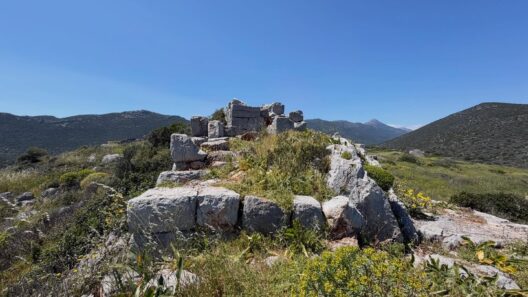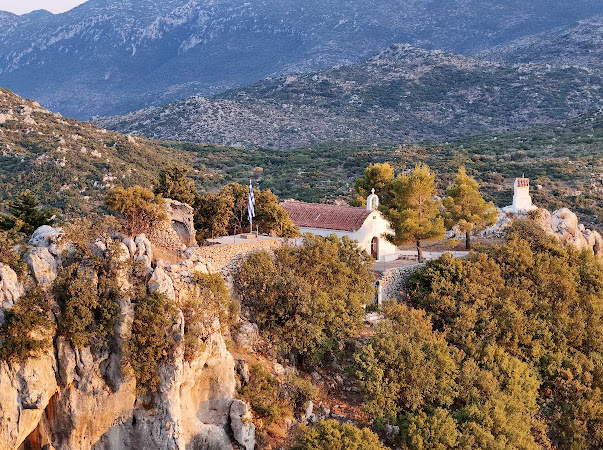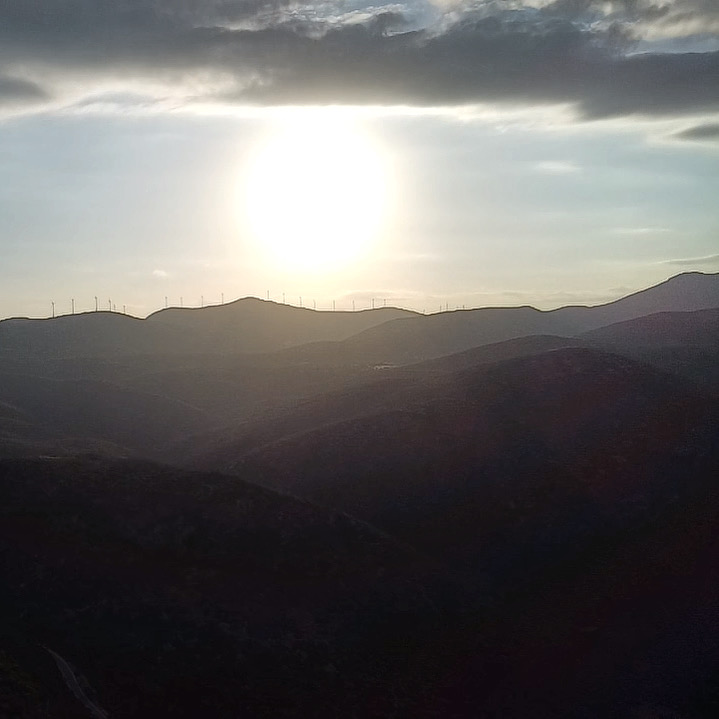


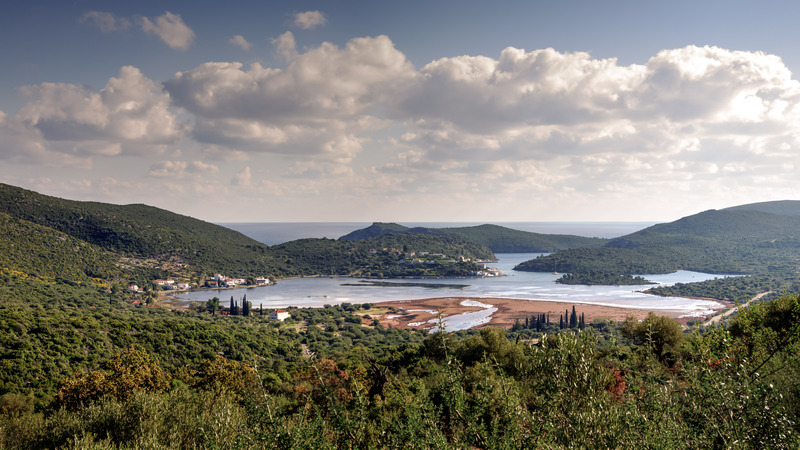
Zarakas (or Zarax) is one of the oldest cities of Laconia, built on the peninsula that encloses the natural bay of Gerakas. According to Pausanias, the city’s name comes from the hero Zarax, son of Petraeus of Karystos, who founded the city around 1300–200 BC. Its natural position offered a safe harbor and strong defensive protection, which is why its inhabitants built fortification walls from the Hellenistic period through the Roman and Byzantine eras.
After the Battle of Thyrea (546 BC), Zarakas came under Spartan influence, and in 272 BC the city was destroyed by Kleonymos and Pyrrhus. During the period of Roman rule it belonged to the League of Free Laconians, and it was then that the sanctuary of Apollo was rebuilt and a Christian basilica was constructed. An earthquake in 365 AD caused the city’s decline and abandonment.
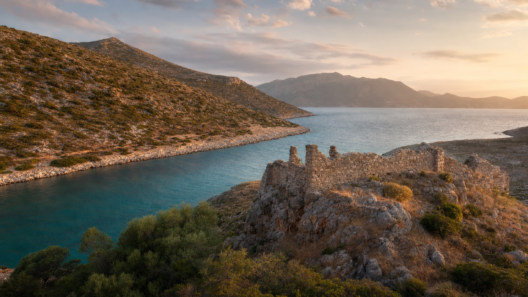
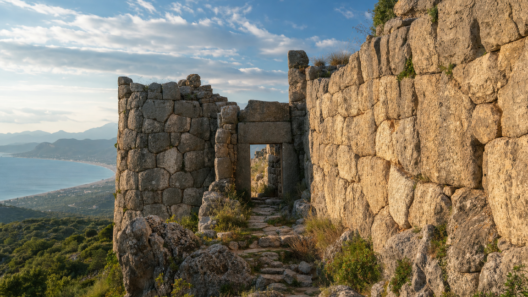
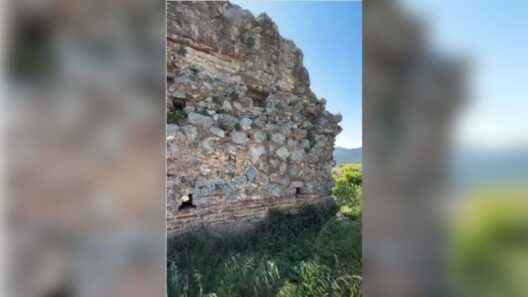
During the Byzantine and Venetian periods, the natural harbor of Zarakas — also known as Gerakas — was reinforced with walls and chains that closed off the entrance, which is how the small harbor came to be called “Porto Cadena.” Today, sections of walls with towers, the acropolis gate, and remains of Roman buildings and a basilica can still be seen.
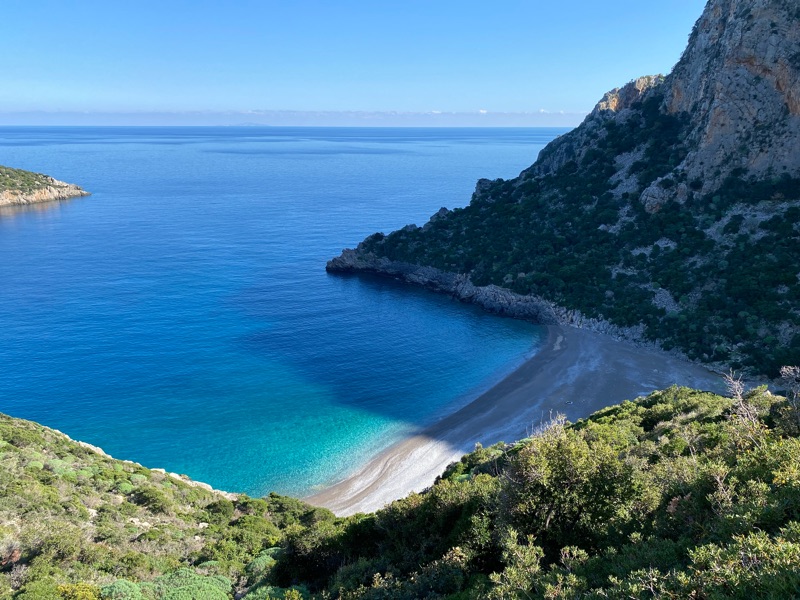
The area continues to hold special interest for visitors thanks to the enchanting fjord of Gerakas, which forms the only enclosed harbor on mainland Greece, while the ruins of the walls bear witness to its history — free images available.
 |
Reading the Landscape Today
The surviving remains around Gerakas should be approached as parts of a complex archaeological landscape rather than as a single preserved monument. Sections of fortification, traces of buildings, and the form of the harbor help visitors understand why the site mattered strategically. The naturally sheltered inlet offered access to the sea while the surrounding heights provided protection and observation points.
Ancient Zarax also connects the history of the region with the broader story of Laconia. Political alliances, conflict, maritime movement, religious change, and natural disasters all affected the settlement over time. Some details remain subjects of archaeological interpretation, which is why responsible accounts should distinguish established evidence from local tradition.
Visiting with Respect
Visitors should avoid moving stones or entering unstable areas. Walking carefully and observing the relationship between the ruins, the hills, and the harbor is the best way to appreciate the site. Gerakas is not only a beautiful coastal village; it is a place where geography and human history remain visibly connected.