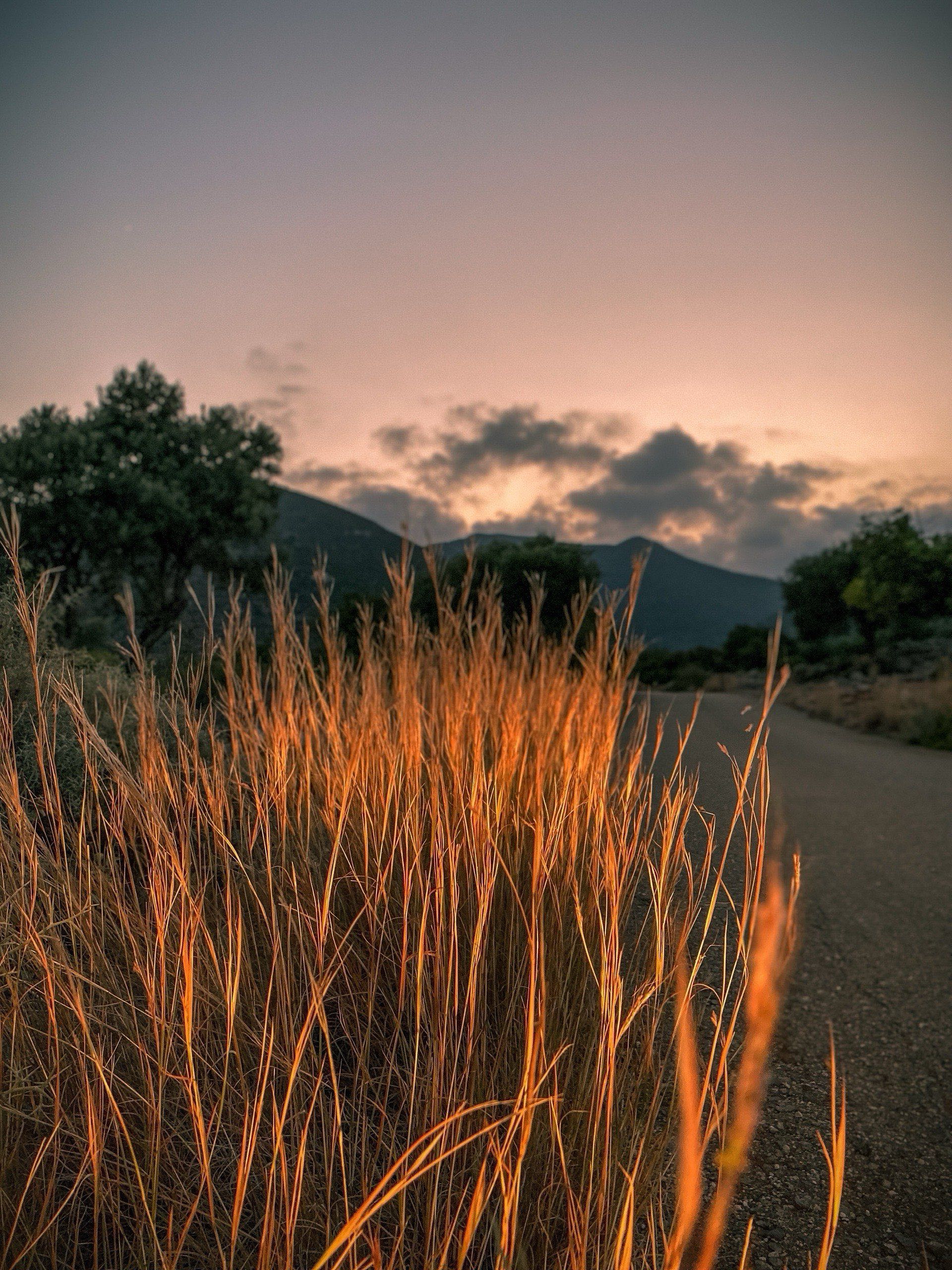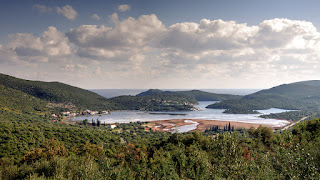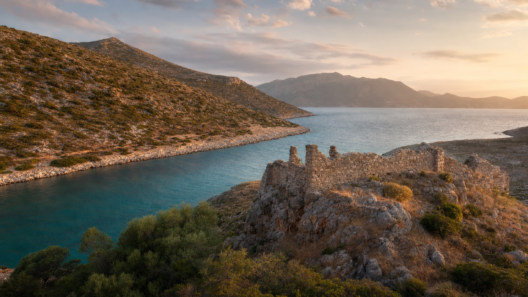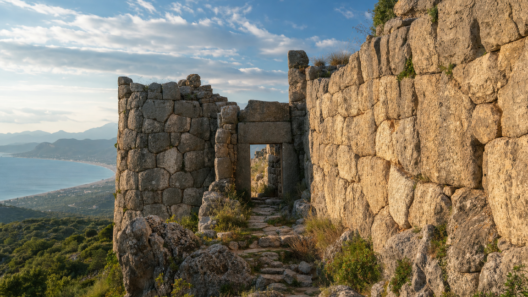


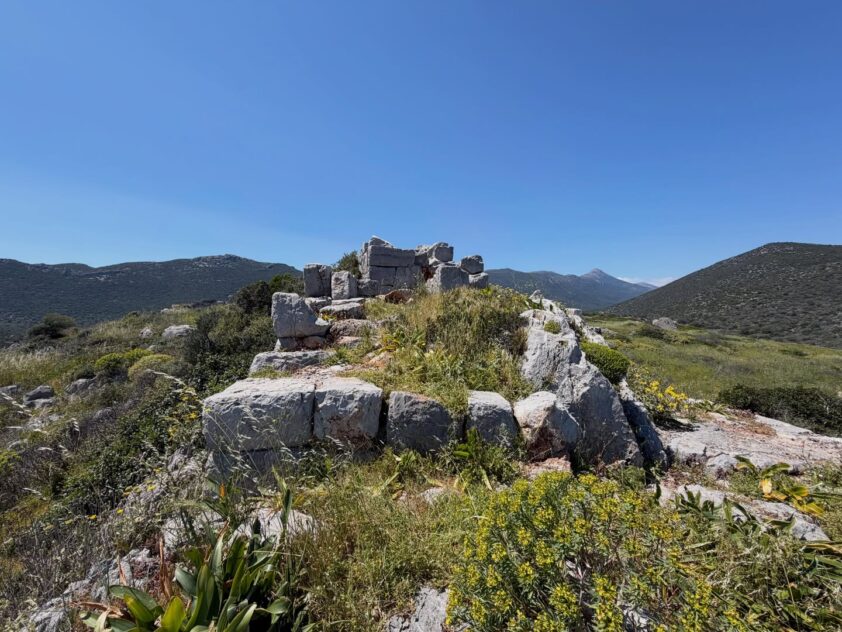
In the wild landscape of Zarakas, history does not appear behind glass or within museum walls. It remains exposed beneath the open sky, resting among grass, wildflowers and mountains while the wind moves through ancient stones.
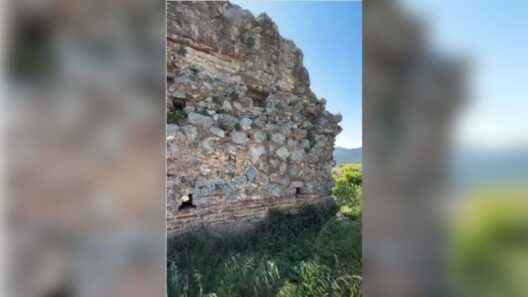
The ruins shown in this photograph are more than scattered blocks of rock. They are the surviving traces of a place that was once filled with human life—a city where people walked, worked, loved, struggled and dreamed. Although their voices have disappeared, the stones remain as silent witnesses to thousands of years.
View the original photograph on Instagram
Stones that remember
Standing before remains like these changes the way we see the landscape. A stone is no longer simply part of the ground; it may have formed a wall, marked a boundary or belonged to a structure that once mattered deeply to the people who built it. Every fragment suggests a larger story, even when the full story can no longer be recovered.
This is what gives ancient ruins their emotional power. They remind us that entire communities can pass into silence while the places they created continue to hold their presence. Time has removed names, voices and daily routines, but it has not erased every trace.
Where nature and history become one
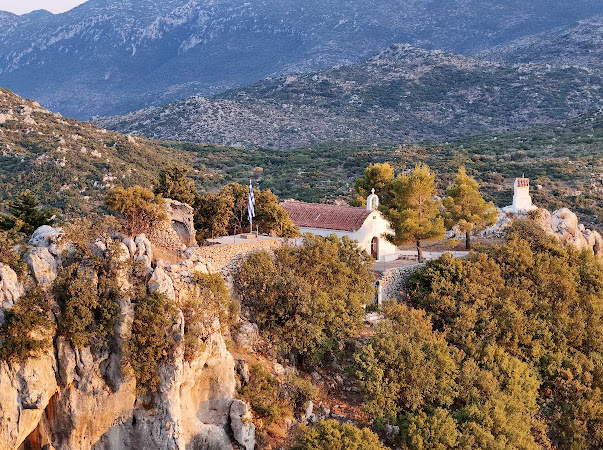
In Zarakas, the surrounding mountains seem to protect the secrets of the ancient city. Vegetation grows between the stones, the seasons change around them and the same sky continues to stretch above the site. Nature has not hidden history completely; instead, the two have slowly become part of the same scene.
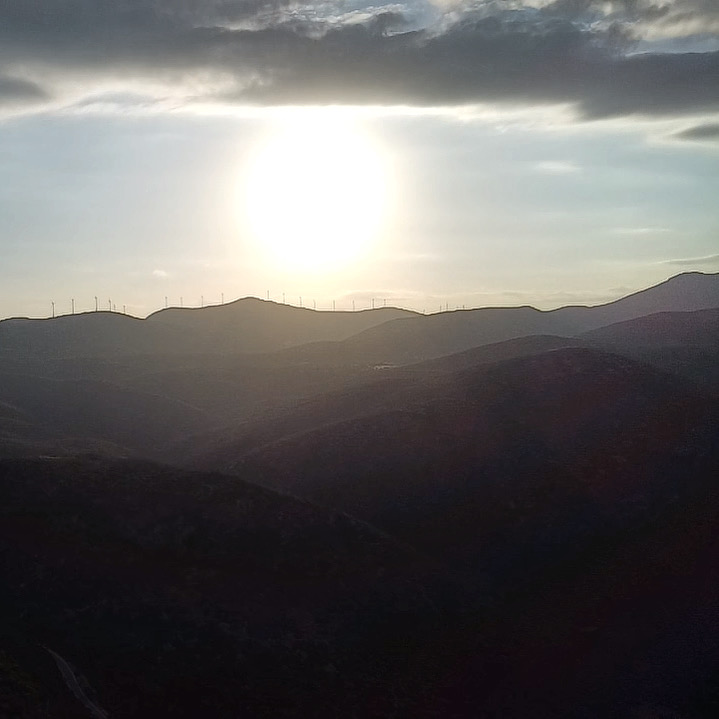
The wind moving across the ruins adds to the feeling that the past is still close. It is easy to imagine generations standing on this ground before us, looking toward the same mountain ridges and living beneath the same vast horizon.
The questions left behind
Walking through such a place naturally creates questions. Who lived here? What did they fear, celebrate or hope for? How many people formed friendships, raised families, defended their home or watched the landscape at sunset? We may never know their individual stories, yet the ruins encourage us to remember that history was lived by real people.
Zarakas is therefore more than an archaeological landscape. It is a place where time appears to have paused, leaving the stones, mountains and wind to preserve what words can no longer tell. To stand here is not simply to observe the past—it is to feel its silence.
Photograph and original text: @mouries.blog on Instagram.