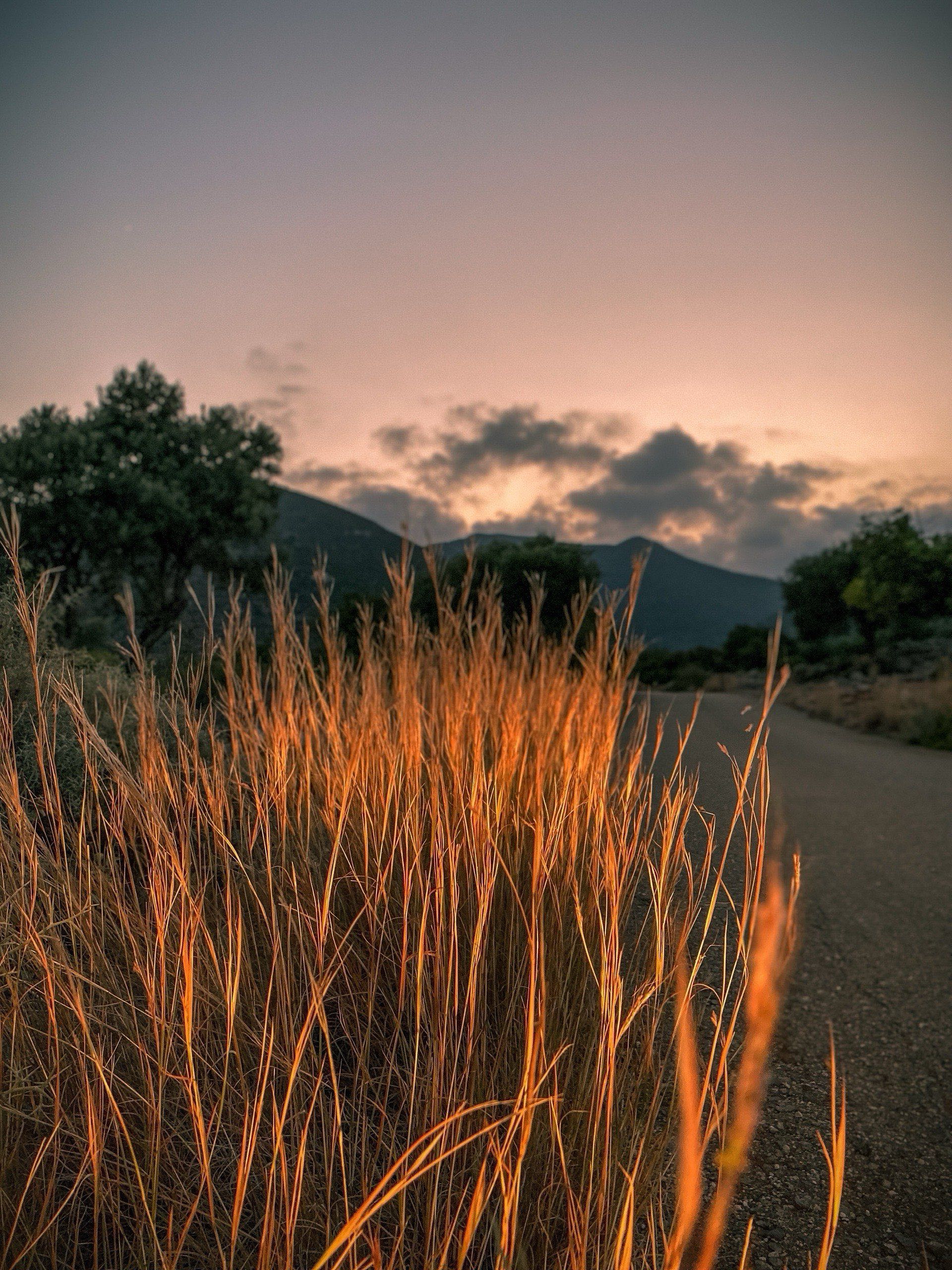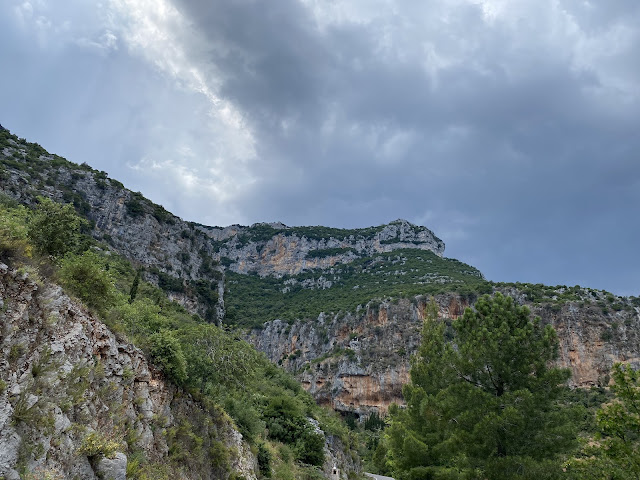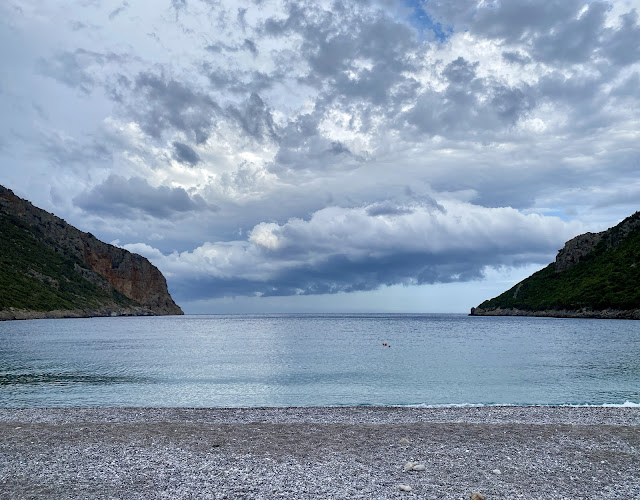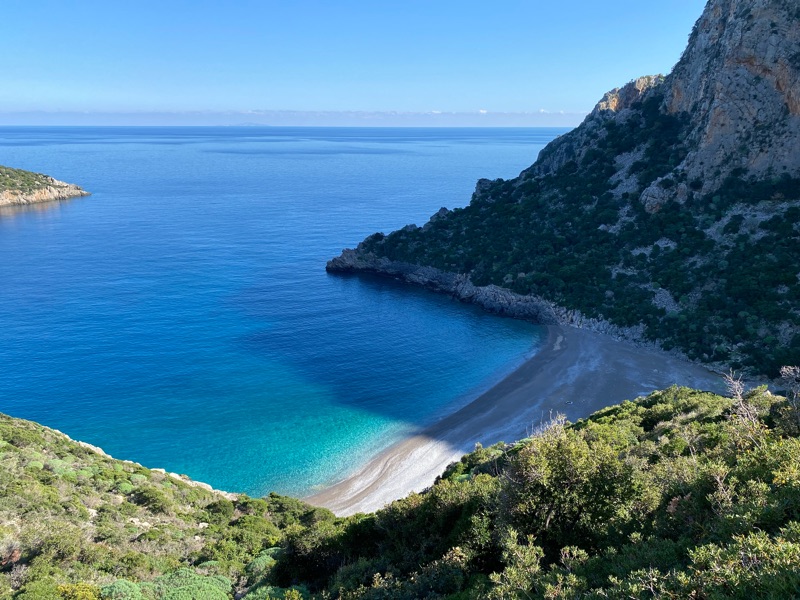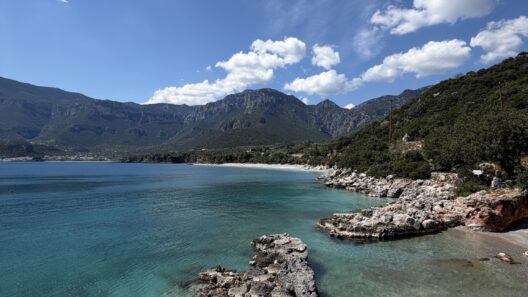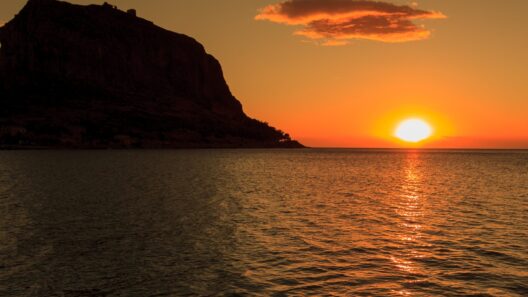


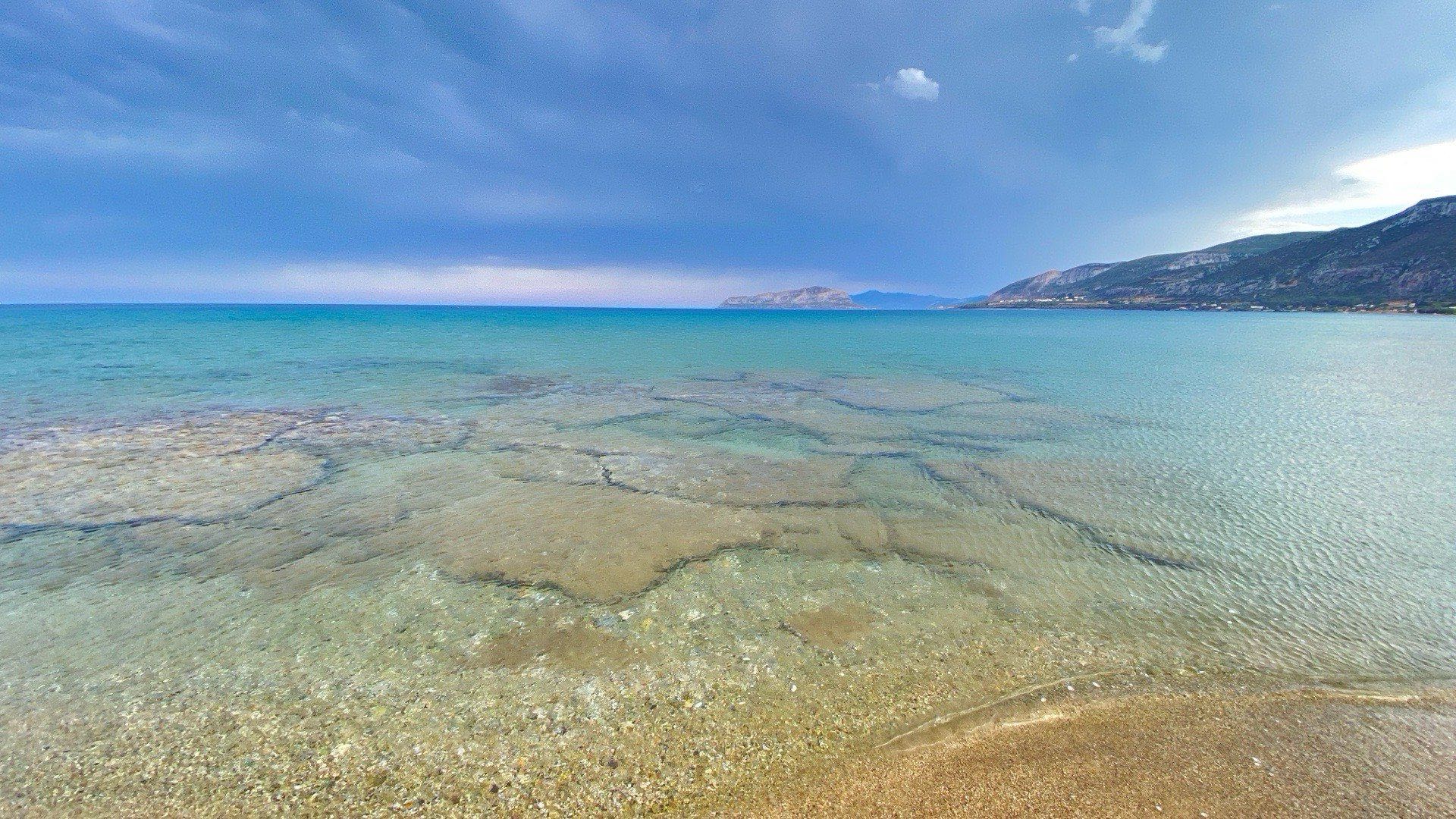
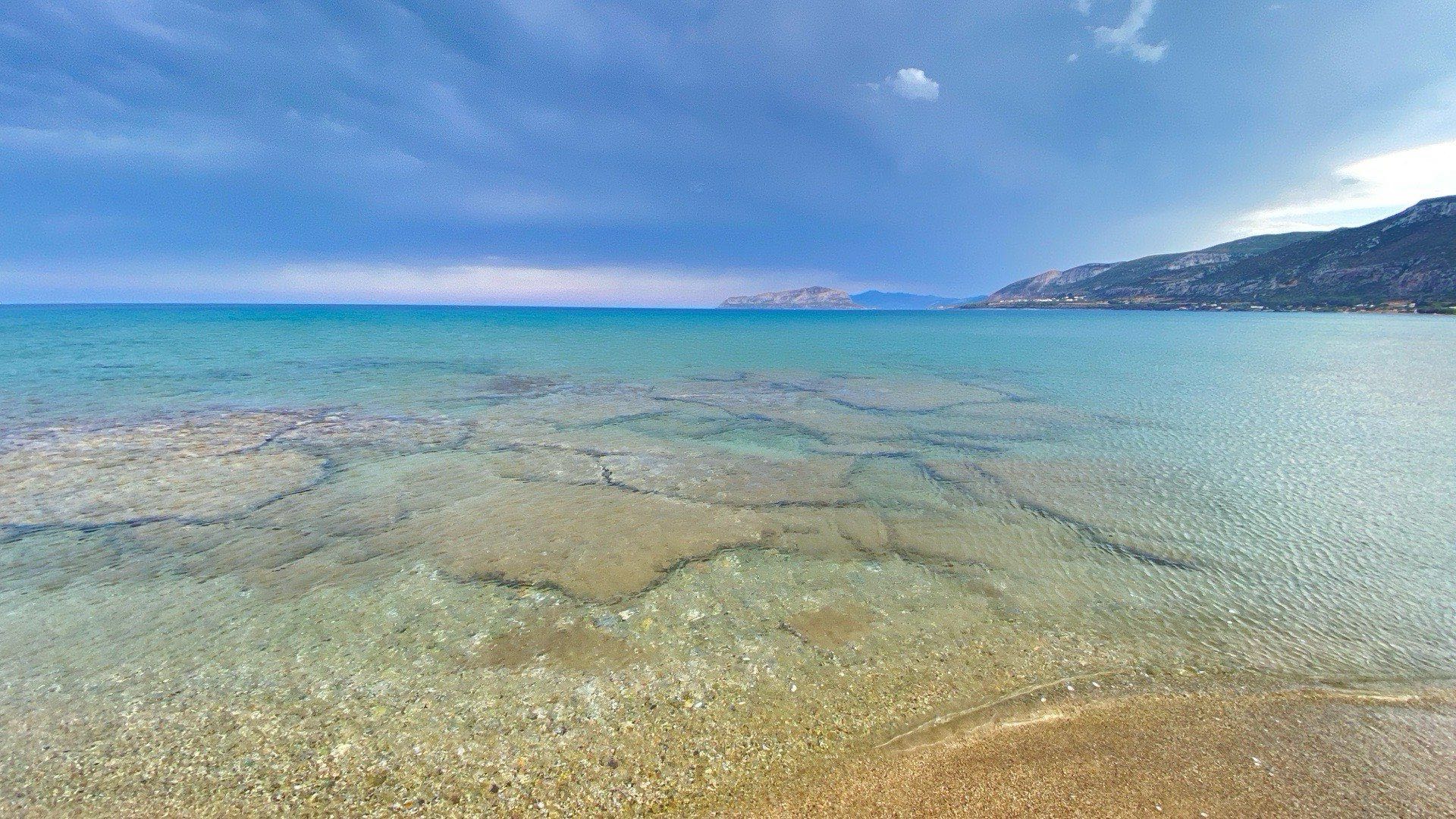
Kastraki is an area near old Monemvasia, located just before Ariana and Gerakas, the region’s picturesque harbor.
Although it is not as well known as the castle town of Monemvasia, the area has its own appeal, offering a more peaceful and authentic experience of Laconian nature and history.
— MOURIES (@MOURIES_GR) October 20, 2024
History of the Kastraki Area
The history of Kastraki is tied to the local communities of Laconia, who preserved their traditions and rural way of life.
Although it is not a fortified site like Monemvasia, Kastraki was a passageway for those heading toward the coast of Laconia and the bay of Gerakas. Gerakas, as the area’s harbor, was a meeting point for fishermen and merchant travelers, while Kastraki, being more mountainous, offered protection from the winds and harsh weather.
Kastraki Today
Today, Kastraki is a place of calm and natural beauty that attracts visitors seeking tranquility away from the crowds of Monemvasia. The local traditional homes, the rural landscape, and its proximity to Ariana and Gerakas make it an ideal spot for hiking excursions and exploring the Laconian countryside.
The area offers a wonderful view of the Laconian Gulf, and serves as a base for exploring the seaside village of Gerakas, known for its picturesque cove and fishing hamlets. Visitors to Kastraki have the opportunity to enjoy the region’s traditional products and get to know the authentic way of life of its residents, who have preserved their traditions through the years.
Kastraki, part of old Monemvasia, though small, offers a unique opportunity for those who want to connect with the authentic side of the Laconian land, with a glimpse into the history and daily life of an area that remains untouched by mass tourism.
Part of a Wider Laconian Route
Kastraki is most rewarding when experienced as one stop on a slow journey through eastern Laconia. The route connects inland scenery with coastal views and leads toward settlements whose character has been shaped by farming, fishing, and movement between the mountains and the sea.
Because Kastraki is a small locality rather than a developed attraction, visitors should arrive with realistic expectations. Its value lies in observation: the form of the land, the changing vegetation, old routes, scattered homes, and the silence that separates one community from the next.
Responsible Exploration
Travelers should remain on public roads and paths, avoid entering private land or unstable ruins, and carry water during warm weather. Combining the area with Gerakas and Monemvasia creates a fuller picture of Laconia—one that includes not only famous monuments, but also the quieter landscapes between them.